Exploring the Creative Versatility of Baby Lemon and Mint Digital Paper
A Palette That Inspires Fresh Design
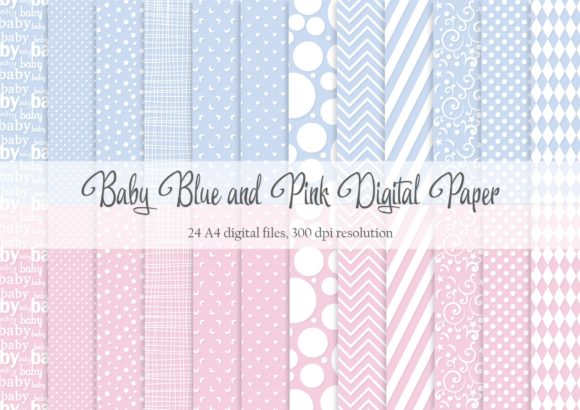
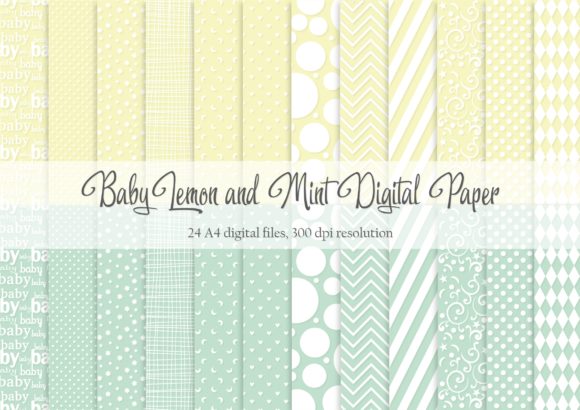
The Baby Lemon and Mint Digital Paper set brings a refreshing color story to the world of digital crafting. With soft yellows and calming mint greens, this collection of 24 A4 digital files offers a balanced palette that feels both cheerful and sophisticated. Each file is saved at 300 dpi resolution, ensuring crisp output whether you are printing for a tangible project or layering elements in a design application. The combination of baby lemon and mint is not merely trendy; it evokes a sense of new growth, spring mornings, and gentle energy—qualities that resonate with a wide audience from hobbyists to professional designers.
What distinguishes this set is the careful attention to file quality. At 300 dpi, every texture, pattern, and gradient retains its definition even when scaled for larger prints. For creators accustomed to working with lower resolution assets, this standard eliminates the frustration of pixelation. The A4 format aligns with common paper sizes across many regions, making it immediately compatible with home printers, die-cutting machines, and digital canvas settings. Whether you are preparing invitations, packaging, or educational materials, having a ready-to-use palette like Baby Lemon and Mint simplifies the early stages of project planning.
Practical Advantages for Physical and Digital Crafts
One of the primary considerations when choosing digital paper is how it translates from screen to print. The Baby Lemon and Mint Digital Paper set is optimized for both workflows. Because the files are saved at 300 dpi, you can confidently print on standard inkjet or laser printers without losing the subtlety of the patterns. The lemon tones appear sunlit but not overwhelming, while the mint shades offer a cool counterpoint that prevents designs from feeling one-dimensional.
For digital projects, such as creating social media graphics or designing digital planners, these files retain their vibrancy when imported into apps like Procreate, Canva, or Photoshop. The A4 dimensions provide a generous canvas that can be cropped or rotated as needed. Many users find that having twenty-four distinct backgrounds within a cohesive palette reduces the time spent color-matching and increases the overall polish of the final piece. A homemade birthday card, for instance, can feature a lemon pattern on the front, a mint interior background, and an envelope lining from a third design—all in the same tonal family.
Another advantage lies in the ease of combining patterns. The set likely includes a mix of solids, stripes, geometric shapes, and organic motifs, all unified under the baby lemon and mint theme. This variety allows creators to layer patterns without clashing. A scrapbook layout might use a subtle mint stripe as the base, a lemon dot pattern for photo mats, and a small-scale geometric for journaling blocks. Because the colors are already harmonious, there is little risk of visual chaos.
Creative Projects That Benefit from This Set
The applications for Baby Lemon and Mint Digital Paper extend far beyond traditional scrapbooking. Card makers appreciate how the palette supports both elegant and whimsical styles. For a baby shower invitation, the mint evokes newness while the lemon adds a touch of warmth. Using one of the A4 files as a full-sized background, you can layer text and embellishments without needing additional patterned paper. The 300 dpi resolution ensures that fine text remains readable even when printed at small sizes.
Digital crafters who create printable wall art or party decor will find the set equally useful. The lemon and mint combination works beautifully for nursery prints, kitchen art, or spring-themed events. Because the files are digital, you can resize, recolor accents, or merge patterns on the fly. Educators and researchers designing visual aids or presentations also benefit from the clarity of these backgrounds. A slide deck about plant growth or nutritional science could incorporate a mint background with lemon accent boxes, making the information more engaging without distracting from the content.
Small business owners in the handmade marketplace often seek cohesive branding materials without hiring a graphic designer. This digital paper set allows them to create consistent packaging, thank-you cards, and social media templates. For example, a soap maker using a lemon scent could wrap products in a mint paper printed with subtle lemon motifs, reinforcing the product identity. The A4 size gives ample room for customization, and the 300 dpi files maintain a professional look even when scaled down for labels.
Integrating with Die-Cutting and Printable Templates
Many hobbyists combine digital paper with SVG files or printable templates. The Baby Lemon and Mint Digital Paper set works seamlessly with such workflows. Because patterns are saved at high resolution, cutting lines remain precise and alignment markers stay clear. A card maker using a cutting machine can import a pattern, place a card base die cut, and produce multiple identical cards without degradation. The soft lemon and mint palette also pairs well with white, gold, or natural kraft materials, offering flexibility in layer construction.
For those who enjoy hybrid scrapbooking—mixing digital and physical elements—these files serve as a reliable bridge. Print a lemon pattern on matte photo paper, then layer with physical brads, ribbons, or stickers. The mint patterns can be used as journaling cards tucked into pocket pages. Because the set includes 24 distinct files, you have enough variety to create a multi-page album using only this collection, ensuring visual coherence from start to finish.
Considerations for Optimal Use
While the Baby Lemon and Mint Digital Paper set is designed for accessibility, a few best practices will maximize results. First, always check your printer settings before printing. Select “high quality” or “best” and ensure the resolution is set to 300 dpi. If you are printing on textured paper, the mint might appear slightly softer, so run a test page. Second, when using these files in digital software, maintain a resolution of at least 150 dpi for screen use, but keep the original 300 dpi version archived for any print needs.
Storage is another subtle consideration. With 24 A4 files, the total file size at 300 dpi can be significant. Organize them into clearly named folders or import them into a digital asset manager. This simple step saves time when you need to locate a specific pattern. Additionally, if you plan to reuse these papers for commercial projects, review the license terms that accompany the set. Most creators appreciate knowing that high-quality digital papers like these are often royalty-free for small-scale commercial use, but verifying this avoids later issues.
For those new to using digital papers, start with a straightforward project. Print one mint file as a full A4 sheet and create a simple note card. Layer a strip of a lemon pattern from another file. This hands-on experience will reveal how the colors interact under different lighting and paper types. Over time, you will develop an intuitive sense for which patterns work best for different purposes—like using busier designs for backgrounds and simpler ones for focal points.
Workflow Efficiency for Busy Creators
Time is a resource that every creator values. The Baby Lemon and Mint Digital Paper set streamlines the design process by removing the need to search for complementary backgrounds. Having 24 coordinated A4 files at 300 dpi means you can batch-create projects in a single session. For example, a small business owner might prepare a month’s worth of social media quote cards by importing different backgrounds, adding text overlays, and exporting in batches. The uniform resolution eliminates the need to adjust each file individually.
Team collaborations also benefit. When multiple users access the same set, there is a shared visual language. A teacher designing classroom materials could assign different patterns to different subjects, while a teaching assistant uses the same files to create matching worksheets. The lemon and mint palette is gender-neutral and age-flexible, making it suitable for children’s materials as well as professional development handouts.
Finally, the digital nature of these papers means they never go out of stock. You can print only what you need, reducing waste and storage clutter. This aligns with sustainability-minded crafting, as there is no leftover physical paper. If a customer requests a custom color variation, you can sample from the set and digitally adjust hues before committing to a full print run.
Combining with Other Elements and Styles
The Baby Lemon and Mint Digital Paper set plays well with other graphic resources. For instance, adding gold foil overlays or watercolor elements can elevate the palette for luxury invitations. The mint backgrounds serve as neutral backdrops that let more intricate designs shine, while the lemon patterns add visual interest without dominating. In a digital planner, you might use a full-page mint pattern for weekly spreads and insert lemon strips for header decorations.
Photography lovers can use these papers as backdrops for flat lays or product shots. A lemon print underneath a teacup or a mint sheet behind handmade jewelry creates an appealing visual contrast that is popular on social media. The 300 dpi resolution ensures that even close-up photography captures pattern details clearly. This cross-media usability is a hallmark of well-crafted digital assets.
Final Thoughts for Creators and Professionals Alike
The Baby Lemon and Mint Digital Paper set, with its 24 A4 digital files at 300 dpi resolution, offers a robust foundation for countless creative projects. Whether you are a seasoned scrapbooker, a card-making enthusiast, a digital planner designer, or a small business owner seeking cohesive branding, this collection delivers both aesthetic appeal and practical flexibility. By understanding how to leverage the color harmony and technical specifications, you can produce results that feel polished yet approachable. The absence of rigid templates in this article mirrors the freedom these papers provide—each project becomes a unique expression of your creative vision. As you experiment with layering, printing, and digital integration, you will likely discover new uses for the gentle interplay of baby lemon and mint that go far beyond the usual applications. Embrace the versatility, and let the papers guide your next project from concept to completion.