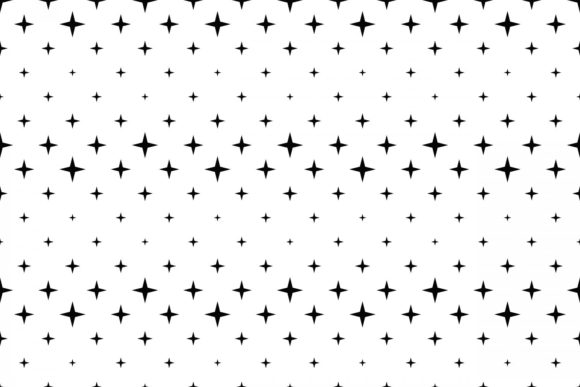
Geometrical Star Pattern Background
When you first encounter a Geometrical Star Pattern Background, it might strike you as purely decorative—an intricate arrangement of pointed shapes that catches the eye. But spend a little time with it, and you begin to notice something else: a quiet precision, a sense of order that feels both mathematical and artistic. It is this duality that makes it so compelling. Whether you're designing a brand identity, building a website, or creating printed materials, understanding what this pattern offers can transform your approach to visual communication.
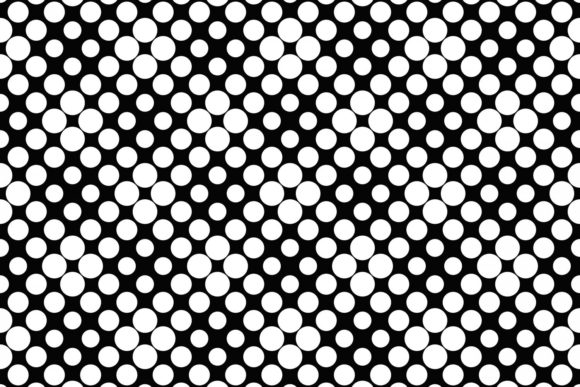
At its core, a Geometrical Star Pattern Background is a repeating or scalable arrangement of star-shaped motifs built from straight lines and angles. These patterns often draw from historical precedents in Islamic art, Gothic architecture, and even ancient Greek geometry, but they are rendered here in a modern, monochrome palette—black and white—that strips away distraction and highlights form. The result is a design asset that can function as a subtle texture or a dramatic focal point, depending on how you use it.
What Makes This Pattern Distinctive
A Geometrical Star Pattern Background is not just any star pattern. It is defined by the precise intersection of lines and the creation of secondary shapes—octagons, diamonds, and smaller stars—within the gaps between the primary stars. This layering of geometry gives the design depth, even when it is rendered in a single color. The black-and-white format further emphasizes contrasts, making every angle and intersection visible.
Key features of this design style include:
- High scalability: The pattern remains crisp and well-defined at any size, from small thumbnails to massive banners.
- Symmetry and balance: Each element is mirrored or repeated along axes, creating a harmonious composition that feels intentional.
- Versatility in density: The spacing between stars can be tight for a busy, intricate look, or open for a more minimal appearance.
- Timeless aesthetic: Because the pattern relies on fundamental geometry rather than trendy motifs, it does not date quickly.
- Monochrome adaptability: Black-and-white rendering allows for easy integration into any existing color scheme, either as is or as a layer to be colorized.
When downloaded as a 5000x5000 JPG along with vector formats like EPS and AI, you gain flexibility for both digital and print projects without losing quality. The vector files allow you to edit individual elements, adjust scale, or change colors, while the high-resolution raster provides a ready-to-use solution for situations where vector editing is not available.
Who Benefits From Using This Design Resource
The reach of a Geometrical Star Pattern Background extends across many fields. It is not reserved for one type of creator or industry. Here is a breakdown of who might find it especially valuable:
Graphic Designers and Brand Strategists
For designers, this pattern offers a reliable background texture that adds visual interest without overpowering foreground content. It works well in logo presentations, stationery sets, and brand guideline documents where a touch of sophistication is needed. The monochrome version is particularly useful when you want to test how a brand mark interacts with a geometric backdrop before committing to color.
Web Developers and UI/UX Designers
In digital interfaces, a Geometrical Star Pattern Background can be used as a section divider, a hero background, or a subtle tile pattern. Because it is black and white, it does not interfere with user interface colors. You can also adjust opacity in CSS to create a faint watermark effect that adds depth without distracting from content. The vector formats are especially helpful here, as they allow you to export optimized SVG-like assets (from the AI or EPS files) that load quickly and scale seamlessly on retina displays.
Print Producers and Packaging Designers
For print applications, the high-resolution JPG at 5000x5000 pixels ensures that patterns remain sharp even on large format prints such as posters, banners, or product packaging. The EPS and AI files provide further assurance that you can output at any dpi without artifacts. This pattern is particularly popular for luxury packaging, notebook covers, and promotional folders where a premium feel is desired.
Content Creators and Marketers
If you produce social media graphics, video thumbnails, or presentation slides, a Geometrical Star Pattern Background can serve as a consistent visual anchor across your content. Because the pattern is abstract and monochrome, it fits a wide range of topics—from business and education to lifestyle and technology. It adds a professional polish without dictating a specific mood or theme.
Real-World Scenarios and Practical Applications
To understand how this pattern performs in practice, consider a few common scenarios:
- Event poster design: A music festival or cultural event poster often needs a background that suggests energy and structure. The sharp angles of star geometry can convey both excitement and order. By setting the pattern at a low opacity behind bold typography, you create a layered effect that feels dynamic yet readable.
- Corporate presentation backgrounds: For quarterly reports or investor decks, a clean, geometric background can make data slides appear more cohesive. Using the pattern sparingly—perhaps only on chapter divider slides—adds a subtle brand signature without distracting from charts and figures.
- Product photography backdrops: When photographing small products like jewelry, watches, or tech accessories, placing them against a Geometrical Star Pattern Background adds visual context. The black-and-white scheme ensures the product remains the hero while the pattern provides a sophisticated environment.
- Packaging inner liners: High-end gift boxes often include patterned inner liners. A monochrome star pattern can elevate the unboxing experience, making the packaging feel designed rather than generic. The EPS vector file allows you to adjust the pattern to fit the exact dimensions of your box without distortion.
- Website hero sections: On a landing page, a full-width Geometrical Star Pattern Background can replace a traditional image or video. It loads faster, does not require alt text for accessibility in the same way a photograph does, and can be animated subtly (using the vector source) to create a parallax or rotation effect.
Strengths and Considerations When Using This Pattern
Like any design resource, a Geometrical Star Pattern Background comes with its own set of strengths and factors to keep in mind. Understanding these will help you use it more effectively.
Strengths include its inherent flexibility. Because the pattern is black and white, it can be colorized in any graphic editor, or used as a mask for gradients and textures. The vector formats give you full control over individual stars, so you can create custom variations—for example, a radial burst or a repeating tile with altered spacing. The 5000x5000 pixel resolution also means you have a large canvas to work with, reducing the need to tile the pattern repeatedly in high-resolution projects.
Considerations revolve around the visual weight of the pattern. A dense star arrangement can compete with text or fine details if used at full opacity. For most applications, reducing opacity to 10–30% or applying a blur in software yields a more balanced effect. Additionally, because the pattern is geometric and precise, it may feel too rigid for projects aiming for a hand-drawn, organic, or playful aesthetic. It is best suited for contexts that benefit from structure, clarity, and a sense of order.
Limitations to Keep in Mind
No resource is perfect for every scenario. A Geometrical Star Pattern Background may not work well if your project calls for natural or flowing shapes, such as landscapes, watercolor effects, or freeform illustrations. The pattern's symmetry can also feel repetitive if used over large areas without variation. For such cases, consider using it as an accent rather than a full background, or combine it with other textures to break up the repetition. Finally, while the JPG is high-resolution, it is still a raster file; if you need to scale it beyond 5000x5000, rely on the EPS or AI vector files to avoid pixelation.
How to Evaluate Suitability for Your Project
Before committing to a Geometrical Star Pattern Background, ask yourself a few questions to ensure it aligns with your goals:
- What is the primary function? Is the pattern a supporting texture or the main visual element? Its role will determine the density and opacity you choose.
- Who is your audience? Geometric patterns often appeal to audiences that value precision, sophistication, and modernity. If your audience responds better to organic or casual aesthetics, consider using the pattern sparingly.
- Where will it be displayed? Screen vs. print makes a difference. For screens, a lower resolution is acceptable, but for print, you benefit from the high-res JPG and vector backups.
- Do you need to edit it? If you anticipate changing colors, removing elements, or adjusting spacing, the EPS and AI files are essential. If you only need a static background, the JPG alone may suffice.
- What is the mood you want to evoke? Black-and-white geometry tends to convey clarity, structure, and timelessness. It can also feel dramatic or severe depending on density. Test a sample before finalizing.
Practical Guidance for Getting the Most Out of the Pattern
Once you have your Geometrical Star Pattern Background, here are a few practical tips for integrating it into your work:
- Layer with gradients: In Photoshop or Illustrator, place a gradient overlay on top of the pattern to add subtle color while retaining the geometric structure.
- Use as a mask: Apply the pattern as a clipping mask over a photograph or gradient to create a geometric photo effect that feels modern and editorial.
- Combine with typography: For posters or social media cards, position large type over the pattern and use a drop shadow or stroke to ensure readability.
- Animate in web projects: Using the vector source, you can create CSS or SVG animations that rotate or pulse the stars for a dynamic background effect without heavy image files.
- Create seamless tiles: The pattern is designed to repeat, but you can also extract a section and use it as a standalone graphic element, such as a watermark or icon.
Conclusion: A Design Tool That Rewards Thoughtful Use
The Geometrical Star Pattern Background is more than just a pretty arrangement of shapes. It is a functional asset that brings visual structure, historical resonance, and modern versatility to a wide range of projects. Whether you are a designer looking for a reliable texture, a business owner building a brand identity, or a content creator seeking a polished backdrop, this pattern offers a foundation that is both beautiful and practical. Its black-and-white palette, combined with the availability of vector and high-resolution raster formats, ensures that it can adapt to your workflow rather than constrain it. By understanding its strengths and limitations, and by using it with intention, you can turn a simple geometric motif into a signature element of your visual language.