Seamless of Diagonal Lattice Pattern: A Versatile Design for Modern Applications
In the world of graphic design and textile manufacturing, few patterns offer the combination of elegance, structure, and adaptability as the seamless of diagonal lattice pattern. This repeating geometric design—often rendered as a repeat graphic stripe black on white background—has become a go-to choice for creators seeking a clean, monochrome aesthetic. Whether you are working on a backdrop for a photo shoot, designing wallpaper for a hipster café, or crafting a unique textile for fashion, understanding how to leverage this pattern can save time and elevate your project.
This article will walk you through what a seamless of diagonal lattice pattern is, why it matters, and how you can put it to work across a variety of real-world scenarios. We will focus on practical implementations, address common challenges, and provide actionable recommendations so that you can confidently integrate this art deco style motif into your own work.
Understanding the Seamless of Diagonal Lattice Pattern
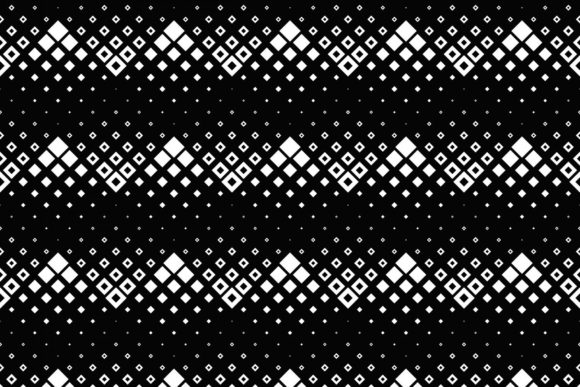
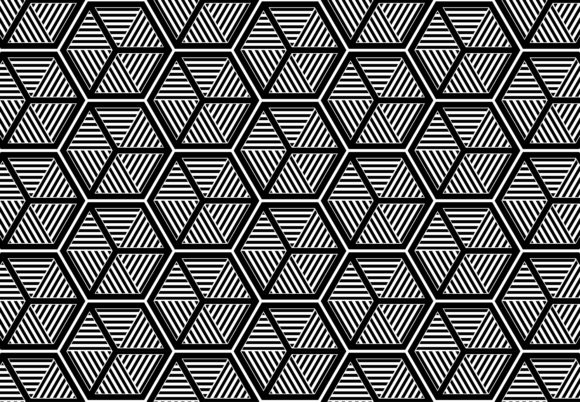
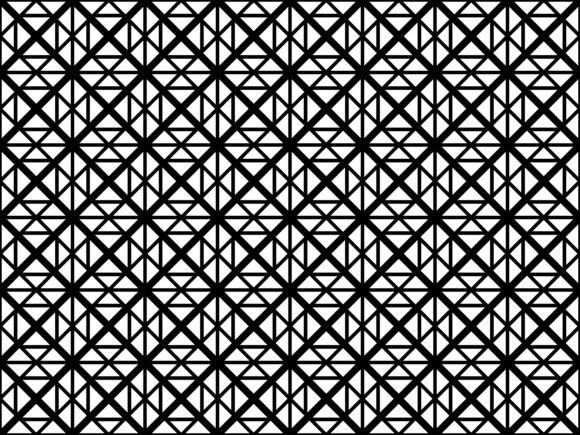
At its core, a seamless of diagonal lattice pattern is a repeating grid of intersecting diagonal lines that form a lattice or crisscross structure. The “seamless” aspect means the pattern tiles perfectly—there are no visible seams or breaks when the design repeats, making it ideal for large surface areas like wallpaper rolls or continuous cloth lengths. The diagonal lattice pattern vector format allows designers to scale, rotate, and customize the grid without losing resolution, which is essential for both digital and print use.
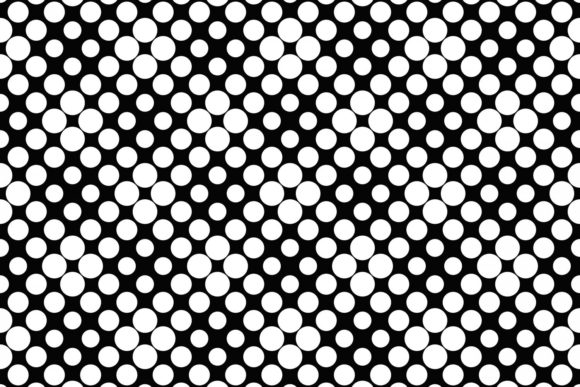
Typically rendered in monochrome flat design—most often black on white—this pattern evokes a sense of order and sophistication. The art deco style influence is clear in its geometric precision and repetitive symmetry, while the hipster isolated vibe comes from the minimalist, almost vintage feel that pairs well with modern, clean aesthetics. Because it is an abstract concept brought to life through simple lines, the pattern can serve as either a bold focal point or a subtle texture.
Why Choose a Seamless Diagonal Lattice Pattern for Your Next Project?
Whether you are a graphic designer, a print shop owner, or a hobbyist, working with a seamless of diagonal lattice pattern solves several common challenges associated with repeat designs.
1. Eliminates Visible Seams and Repetition Fatigue
One of the biggest frustrations when using patterns is spotting a seam or seeing a clear “tile” repeat. A seamless design—especially a seamless of diagonal lattice pattern vector—ensures that the grid flows continuously. This is critical for wallpaper installations, wrapping paper, or textile yardage, where any interruption in the pattern distracts from the overall look.
2. Offers Versatility Across Media
Because the pattern is defined by its diagonal lattice, it works beautifully in both large and small scales. For an illustration that needs a subtle background texture, you can reduce the scale so the lines become a faint grid. For a bold backdrop at a trade show booth, scaling up the lattice creates a dramatic geometric statement. The same diagonal lattice pattern can transition from digital screen to printed cloth with no quality loss, as long as you use a high-resolution vector file.
3. Instantly Conveys a Specific Aesthetic
Many creators choose this pattern to achieve a particular mood. The monochrome flat design communicates simplicity and modernity. The art deco heritage adds a touch of vintage glamour without being overly ornate. And the hipster isolated feel makes it popular for branding coffee shops, barbershops, and boutique apparel. If you need a design that says “clean, confident, and contemporary,” the seamless of diagonal lattice pattern is a reliable choice.
Practical Applications and Real-World Outcomes
Let’s explore how different users can put this pattern to work. The following scenarios highlight specific needs and how a diagonal lattice pattern addresses them.
Textile and Fabric Design
For fashion designers and textile manufacturers, the seamless of diagonal lattice pattern is a staple for shirting, scarves, and linings. Because it is a repeat graphic stripe black on white background, it pairs well with solid colors and other patterns. One practical approach is to use the lattice as a base texture and then overlay a secondary design (like a floral or emblem) for contrast. Implementation tip: When printing on fabric, ensure your diagonal lattice pattern vector has a high enough DPI for the weave—especially on cotton or polyester blends—to avoid distortion.
Wallpaper and Interior Decoration
Interior designers often turn to this pattern for accent walls or entire rooms. The seamless nature prevents ugly joins, and the monochrome palette keeps the space feeling open. A common goal is to create a backdrop that is both intriguing and subtle. For a hipster loft, a large-scale black-on-white lattice can mimic exposed structural grids. For a more refined look, a fine diagonal lattice in gray on a white wall adds texture without overwhelming the room. Recommendation: Order a sample roll first to check the scale against your wall height.
Wrapping Paper and Packaging
Gift wrapping becomes an extension of your brand when you use a custom seamless of diagonal lattice pattern. Small businesses can print this pattern on kraft paper or glossy stock to give packages a cohesive, professional appearance. The abstract concept of the lattice feels modern yet timeless, which works for holidays, birthdays, or corporate gifts. Tip for print shops: Use a vector file so you can adjust the width of the diagonal stripes without breaking the seamless tile.
Digital Backgrounds and Textures
Graphic designers frequently use the pattern as an illustration element or as a texture overlaying photographs. Because it is a flat design, it integrates perfectly with modern UI and poster layouts. For a website hero image, a faint diagonal lattice can add depth without distracting from the call-to-action. For a social media graphic, a bold black-on-white version frames text cleanly. User need: The pattern must load quickly and tile correctly across responsive screens—vector formats (SVG) are ideal for this.
How Different Users Approach the Diagonal Lattice Pattern
Not every user has the same skill level or end goal. Understanding how others approach the seamless of diagonal lattice pattern can help you find your own workflow.
Graphic Designers and Illustrators
These professionals often need the pattern as a base for more complex compositions. They value the seamless of diagonal lattice pattern vector because it can be infinitely scaled and edited. A common approach is to adjust the angle of the lattice (for example, shifting from 45 degrees to 30 degrees) or to combine multiple diagonal grids for a hipster isolated layered effect. Challenge: Ensuring that overlapping lattices do not create moiré patterns—using transparent layers and subtle opacity differences solves this.
Textile Manufacturers and Printers
For those working with physical materials, the primary focus is on repeat accuracy and color registration. A seamless of diagonal lattice pattern in black and white is forgiving because only one color is involved, but the diagonal lines must align perfectly across the width and length of the cloth. Many manufacturers request the pattern as a high-resolution TIFF or EPS with clear registration marks. Practical solution: Use a pattern with a 2-inch repeat to minimize waste and simplify cutting.
DIY Enthusiasts and Small Business Owners
Hobbyists and entrepreneurs often search for ready-made seamless of diagonal lattice pattern assets to use in print-on-demand services. They need patterns that are royalty-free, easy to download, and compatible with platforms like Printful or Redbubble. Their main need is simplicity: a black-and-white file that works immediately for tote bags, phone cases, or posters. Recommendation: Look for a pattern that includes both PNG and SVG versions—the SVG for scaling, the PNG for quick uploads.
Key Considerations When Working with Diagonal Lattice Vectors
To get the best results from a seamless of diagonal lattice pattern, keep these points in mind:
- Resolution and format: Always start with a vector file if you plan to print at different sizes. Raster files should be at least 300 DPI for printing.
- Tile size: The repeat size affects visual rhythm. A small tile (e.g., 1x1 inch) creates a dense, texture-like grid; a large tile (e.g., 12x12 inches) makes each diagonal stripe prominent.
- Color variations: Although the classic black on white background is popular, you can invert it (white on black) or use any two contrasting colors. For a softer look, try dark gray on off-white.
- Orientation: A diagonal lattice typically runs at 45 degrees, but you can rotate the pattern to create different dynamics—steeper angles feel more dynamic, shallower angles feel calmer.
- Layering: Combine the lattice with other seamless textures (like a subtle noise grain) to add depth while keeping the flat design aesthetic.
Where to Find or Create a Seamless of Diagonal Lattice Pattern Vector
You have two main routes: sourcing pre-made patterns or generating your own.
Pre-Made Pattern Libraries
Many stock graphic websites offer seamless of diagonal lattice pattern assets. Look for files tagged with “art deco,” “monochrome,” “hipster,” or “diagonal grid.” Check whether the license allows commercial use, especially if you are producing textile or wallpaper for sale. Useful tip: Read the reviews to see if other users mention seamless tiling—this confirms the file works as advertised.
Creating Your Own Vector Pattern
If you have Adobe Illustrator or Affinity Designer, you can easily create a diagonal lattice pattern vector. Draw two intersecting parallel line groups at 45 degrees, group them, and define them as a pattern swatch. Test the seamless tiling by filling a large rectangle and checking for breaks. Time-saving approach: Use the “Pattern Options” panel to adjust tile type to “Grid” and spacing to your desired width. This method gives you full control over stripe thickness and background transparency.
Final Thoughts on Using the Diagonal Lattice Pattern
The seamless of diagonal lattice pattern is more than a simple geometric repeat—it is a design tool that solves real-world problems for illustrators, manufacturers, and small business owners alike. Its clean lines, monochrome palette, and art deco roots make it suitable for wallpaper, textile, backdrop, and cloth applications. By understanding how to select the right vector, adjust scale and color, and apply the pattern across different media, you can achieve professional results without unnecessary complexity.
Whether you are aiming for a hipster isolated style or a timeless, modern texture, this pattern delivers consistency and visual interest. Start with a high-quality seamless of diagonal lattice pattern vector, test it on your intended material, and don’t be afraid to modify the angles or colors to suit your brand. With careful implementation, this abstract geometric concept will enhance your projects and meet your creative goals.