Understanding Flamingo Patterns and Seamless Flamingo Pattern Illustrations
Flamingo patterns have become a beloved motif in modern design, appearing everywhere from tropical-themed interiors to fashion apparel and digital backgrounds. Their graceful silhouettes, soft pink hues, and playful yet elegant presence make them a favorite among creatives and hobbyists alike. But what exactly goes into creating a seamless flamingo pattern illustration? And why does compatibility with EPS AI files and CS6 matter? This article explores the world of flamingo patterns, how seamless designs work, and what you need to know about using these versatile assets in your projects.
What Is a Flamingo Pattern?
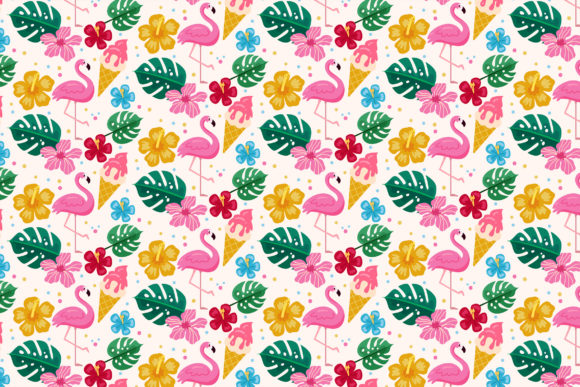
A flamingo pattern is a repeating design element that features one or more flamingo motifs. These patterns can range from realistic illustrations capturing the bird's distinctive curved beak and long legs to abstract, stylized versions that emphasize shape and color. The appeal lies in the flamingo's visual harmony: its soft pink and coral tones blend beautifully with tropical greens, oceanic blues, and warm neutrals, making it a versatile choice for a variety of palettes.
Flamingo patterns are commonly used in:
- Home decor – wallpaper, throw pillows, bedding, and curtains
- Fashion – dresses, shirts, swimwear, and accessories
- Stationery – notebooks, gift wrap, and invitations
- Digital design – website backgrounds, social media graphics, and app interfaces
- Branding – logos and packaging for tropical-themed products
The flamingo's association with leisure, summer, and exotic getaways gives these patterns a cheerful, relaxed energy that resonates with a wide audience. Whether you're designing a beach resort brochure or a cozy reading nook, a flamingo pattern can inject a sense of warmth and whimsy.
What Makes a Pattern Seamless?
A seamless pattern is a repeating design that tiles infinitely in any direction without visible edges or interruptions. When done correctly, the pattern flows continuously, so when you place multiple copies side by side, they blend into one cohesive image. This is crucial for applications like wallpaper, fabric, and digital backgrounds where repetition is intentional and needs to look natural.
Creating a seamless flamingo pattern requires careful planning:
- Tiling logic – The flamingo motifs must be arranged so that elements that reach the edge of the tile continue logically into the adjacent tile.
- Consistent spacing – Gaps and overlaps need to be uniform to avoid awkward clusters or empty zones.
- Color matching – Colors at the tile boundaries must align perfectly to prevent visible seams.
- Scalability – The pattern should look good at different sizes, whether it's a small phone wallpaper or a large wall mural.
Professional seamless patterns often use a technique called "offset tiling," where the pattern is shifted diagonally to create a more organic repeat. This approach helps hide the repeat structure and gives the design a more fluid, natural appearance — especially important for organic motifs like flamingos.
Understanding EPS and AI File Formats
When you encounter flamingo pattern files described as "EPS AI file CS6 compatible," you're looking at vector-based formats that offer significant advantages over raster images (like JPEGs or PNGs). Let's break down what each term means.
EPS (Encapsulated PostScript)
EPS is a versatile file format used for vector graphics. It can contain both vector and raster elements, but its strength lies in preserving crisp lines and shapes at any scale. Because flamingo patterns often include delicate curves and fine details, an EPS file ensures that these elements remain sharp whether you're printing a business card or a banner. EPS files are also widely supported across different design software, making them a reliable choice for sharing and collaboration.
AI (Adobe Illustrator)
AI is Adobe Illustrator's native format. It stores vector data, layers, swatches, and other editable properties. When a flamingo pattern is saved as an AI file, you can open it directly in Adobe Illustrator and modify every component — change a flamingo's color, adjust the spacing, or add new elements. This level of editability is invaluable for designers who need to customize a pattern for a specific project.
CS6 Compatibility
CS6 refers to Adobe Creative Suite 6, a version released in 2012. While Adobe has since moved to a subscription-based Creative Cloud model, many designers and small studios still use CS6 due to its stability and one-time purchase cost. A file labeled "CS6 compatible" means it was saved in a format that CS6 can open without issues. This ensures that users who haven't upgraded to the latest subscription can still access and edit the flamingo pattern seamlessly.
Practical Relevance for Creatives and Businesses
Why should a designer, small business owner, or hobbyist care about these technical details? The answer lies in flexibility and longevity. A flamingo pattern delivered as an EPS AI file with CS6 compatibility can be used in countless ways without degradation or software lock-in.
Consider a small business that sells tropical-themed phone cases. They might purchase a seamless flamingo pattern in EPS format, open it in Illustrator, adjust the colors to match their brand palette, and then export it at the exact resolution needed for their printer. Years later, if they want to use the same pattern for a new product line, the original file remains scalable and editable. Contrast this with a raster image that might become pixelated or lose quality after repeated resizing.
For educators and students learning graphic design, working with these files offers hands-on experience with vector workflows. They can deconstruct the pattern to understand how repeats work, experiment with color variations, and learn best practices for file management and version compatibility.
Common Misunderstandings About Seamless Patterns
Many newcomers assume that any repeating image is automatically seamless, or that seamless patterns are simple to create. In reality, achieving a true seamless repeat requires precision and often specialized tools. Here are a few points worth clarifying:
- "Seamless" does not mean "random." A seamless pattern follows a repeat grid, even if the grid is cleverly disguised. Designers use offsets, mirrors, or rotational repeats to make the pattern feel organic.
- Vector files are not automatically editable. While EPS and AI files support editing, the pattern may be flattened or grouped. Look for files with layers and individual elements if you plan to customize.
- CS6 compatibility is about saving settings, not features. A file saved for CS6 may not include effects or features introduced in later versions (like certain brushes or gradients). Always check that the file meets your needs before purchasing or downloading.
- Pattern resolution matters. Even with vectors, the final output quality depends on how you export. A pattern that looks perfect on screen may require adjustments for high-resolution printing.
How to Use Flamingo Pattern Files in Your Projects
Whether you're a beginner or a seasoned designer, getting the most out of a seamless flamingo pattern involves a few key steps:
- Open the file in compatible software. Adobe Illustrator, CorelDRAW, and Affinity Designer can all handle EPS and AI files. Free alternatives like Inkscape also support EPS with some caveats.
- Customize the colors. Flamingo pink is iconic, but you can adjust the palette to match your brand or mood. Use the swatches panel or recolor artwork tool in Illustrator.
- Scale and tile the pattern. Most seamless patterns are designed to repeat at a specific size. You can scale the pattern up or down using the pattern options panel, but be aware that extreme scaling may reveal the repeat structure.
- Apply the pattern to your design. Use the pattern swatch to fill a shape, apply it as a background, or export it as a standalone image. For fabric printing, ensure your file meets the required DPI (usually 300 DPI for high-quality results).
- Test the seam. Before finalizing, create a test tile by duplicating the pattern and checking for visible edges. Many designers use the "Pattern Maker" tool in Illustrator to preview and tweak repeats.
For beginners, it's wise to start with pre-made patterns to understand how professional repeats are constructed. As you gain confidence, you can try creating your own flamingo pattern from scratch using vector drawing tools and repeat grids.
The Broader Context: Patterns in Modern Life
Patterns are everywhere, and they shape how we experience spaces and products. A well-designed pattern can evoke emotion, establish brand identity, and guide a viewer's eye. In digital design, patterns are used for textures, backgrounds, and user interface elements. In fashion and interiors, they define trends and personal style.
The flamingo pattern, in particular, taps into a cultural fascination with tropical environments and wildlife. It's a motif that feels both nostalgic (think vintage Miami postcards) and contemporary (modern flat-design flamingos). By understanding how to create, edit, and apply such patterns, you gain a tool that's both expressive and practical.
Moreover, the technical skills involved — working with vector files, managing compatibility, and perfecting seamless repeats — transfer to other areas of design. Whether you're creating a geometric abstract pattern or a detailed botanical print, the same principles apply.
Final Thoughts
Seamless flamingo pattern illustrations in EPS AI CS6 compatible format represent a sweet spot between creativity and practicality. They offer the aesthetic appeal of flamingo motifs, the flexibility of vector editing, and the assurance of compatibility with widely used design software. Whether you're a professional designer building a pattern library, a small business owner diversifying your product line, or a hobbyist exploring graphic design, these files provide a solid foundation for countless projects.
As you work with them, remember that the best patterns balance repetition with surprise: a flamingo pattern that repeats exactly the same way every time might feel monotonous. Look for designs that vary the orientation, size, or placement of flamingos within a consistent grid. And always test your files in the software and output medium you plan to use. With a little practice, you'll be able to take a simple flamingo pattern and turn it into something truly unique.
The next time you see a flamingo pattern on a beach towel or a social media post, you'll know exactly what went into making it — and how you can create or customize one yourself. That's the power of understanding the tools, formats, and techniques that bring these charming birds to life in design.