Gone Fishing Patterns: A Versatile Design Resource for Creatives and Professionals
Design projects thrive on originality, but building every element from scratch is rarely practical. Whether you are a seasoned graphic designer, a small business owner developing product packaging, or a hobbyist creating handmade cards, finding ready-to-use assets that balance aesthetic appeal with technical quality can be a challenge. Gone Fishing Patterns offer a refreshing solution for anyone looking to infuse their work with natural, aquatic-themed motifs without starting from a blank canvas. These fishing repeat patterns are crafted to bring a sense of calm, adventure, and outdoor nostalgia to a wide variety of projects.
In this article, we will explore what makes these patterns distinctive, where they can be applied, who benefits most from using them, and how to evaluate whether they align with your specific creative goals. We will also examine practical considerations, such as file formats, resolution, and real-world usage scenarios, so you can make an informed decision before integrating them into your workflow.
What Are Gone Fishing Patterns?
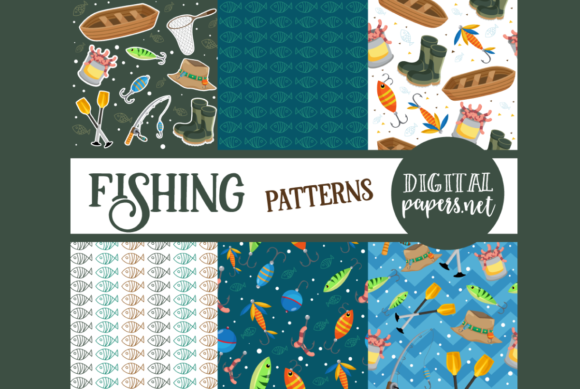
Gone Fishing Patterns refer to a curated collection of seamless repeat designs centered around fishing, angling, and freshwater imagery. Think detailed illustrations of fishing rods, reels, bobbers, fish silhouettes, bait, and rustic typography woven into repeating motifs. These designs are intended to be tiled infinitely without visible seams, making them suitable for surface design, digital backgrounds, and physical products.
The collection typically includes a mix of nautical and outdoor elements, rendered in a style that balances whimsy with realism. Some patterns lean toward vintage, retro aesthetics, while others adopt a more modern, minimalist approach. This variety allows creators to select a pattern that matches their intended tone — whether that is playful, sophisticated, or rustic.
Each pattern is delivered as part of a zipped file containing 6 PNG images and 6 JPEG images, all at 300 DPI high resolution. This dual-format approach ensures flexibility across different design software and production methods.
Key Features and Characteristics
Understanding the technical and creative attributes of these patterns helps determine their fit for your projects. Below are the defining features that set Fishing Repeat Patterns apart from generic stock designs.
Seamless Repeatability
Every pattern is constructed as a seamless tile. This means you can apply it to large surfaces — such as fabric rolls, wallpaper panels, or presentation backgrounds — without any abrupt lines or disruptions. The repeat logic is built into the design itself, saving you hours of manual adjustment in software like Adobe Illustrator or Photoshop.
300 DPI High Resolution
Resolution matters, especially if your final output is printed. At 300 DPI, these patterns are print-ready for most commercial and home printing applications. Whether you are producing fabric swatches, cardstock sheets, or digital scrapbook pages, the fine details — such as the texture of a wooden fishing lure or the reflections on a fish scale — remain sharp.
Dual Format Support: PNG and JPEG
The inclusion of both PNG and JPEG formats addresses different workflow needs. PNG files support transparency, which is ideal for overlaying patterns on colored backgrounds or layering them in composite designs. JPEG files, on the other hand, offer smaller file sizes and broader compatibility across web and print platforms. Having both gives you the freedom to choose based on your specific application.
Thematic Cohesion
The patterns are unified by a fishing theme, but they vary in layout density, color palette, and illustrative detail. Some designs feature tightly clustered elements that create a busy, textured look, while others offer more breathing room with scattered icons and soft watercolor-like washes. This range allows you to pick a pattern that complements your project without overwhelming the overall composition.
Applications: Where Can You Use These Patterns?
The versatility of Gone Fishing Patterns extends across multiple creative domains. Below are the most common and impactful use cases.
Fabric and Textile Design
For fashion designers, quilters, and upholstery creators, repeat patterns are the foundation of fabric design. These fishing-themed repeats work beautifully on cotton, linen, and polyester blends. Imagine a lightweight scarf printed with vintage fishing flies, or a quilt block featuring alternating fish and bobber motifs. The 300 DPI resolution ensures that the pattern retains its integrity after printing and washing.
Scrapbook Papers and Memory Books
Scrapbooking enthusiasts often seek themed papers to document outdoor adventures, family fishing trips, or vacation memories. Using these patterns as background papers or accent strips adds a professional, cohesive look to layouts. Because the patterns are seamless, they can also be resized and rotated to fit different page dimensions without losing continuity.
Greeting Cards and Stationery
Card makers can leverage these patterns to create custom designs for Father's Day, birthday wishes, or "get well soon" messages with an outdoor twist. A card featuring a subtle fishing repeat can be paired with a bold sentiment on the front, or used as an inside liner for added visual interest. The availability of both PNG and JPEG formats makes it easy to layer text and images over the pattern.
Digital Backgrounds and Social Media Graphics
Content creators and social media managers can use these patterns as backgrounds for quote posts, promotional banners, or email newsletter headers. The seamless repeat ensures that even widescreen layouts remain visually consistent. Additionally, the PNG format with transparency allows you to overlay logos or text without a clunky rectangular backdrop.
Packaging and Product Labeling
Small business owners selling fishing gear, outdoor apparel, or gourmet seafood products can incorporate these patterns into packaging design. From wrapping paper to labels on jars or boxes, the patterns add a distinct brand identity. The high-resolution JPEG files are particularly useful for print-on-demand services that require specific file specifications.
Home Décor and Wallpaper
For interior designers or DIY decorators, fishing repeat patterns can be used to create accent walls, removable wallpaper panels, or decorative pillows. The seamless nature of the design makes installation straightforward, and the thematic charm appeals to lake houses, cabins, or nautical-themed rooms.
Who Benefits Most from Gone Fishing Patterns?
This collection is designed for a broad audience, but certain user groups will find it especially valuable.
- Graphic designers looking for high-quality, ready-to-use textures that save time and enhance portfolio diversity.
- Small business owners in the outdoor, fishing, or travel industries who need cohesive branding materials without hiring a custom illustrator.
- Hobbyists and DIY creators who want professional-grade patterns for personal projects like scrapbooks, cards, or custom gifts.
- Print-on-demand sellers who need print-ready files that meet resolution and format requirements across multiple platforms (e.g., fabric printers, card printers).
- Teachers and educators creating themed classroom materials, bulletin boards, or activity sheets for nature or science lessons.
Strengths and Practical Considerations
Every design resource comes with trade-offs. Here is an honest look at the strengths and potential limitations of Fishing Repeat Patterns.
Strengths
- Time savings: No need to create patterns from scratch; the seamless repeat logic is already built in.
- High-resolution output: 300 DPI ensures suitability for both digital and print projects.
- Format flexibility: Both PNG and JPEG are included, accommodating diverse workflows.
- Thematic focus: The fishing niche appeals to a specific audience, making it easier to create targeted, authentic designs.
- Variety within a set: Six distinct patterns per file provide options without overwhelming choice.
Considerations and Limitations
- Niche theme: If your project does not relate to fishing, aquatic life, or outdoor adventures, these patterns may not be suitable.
- Color palette limitations: Because the designs are pre-colored, you may need to adjust hues if they clash with your existing brand palette. PNG transparency helps, but complete recoloring may require additional software work.
- File size: High-resolution images can be large, which might affect upload times for web use or storage limits on some platforms.
- License considerations: Always review the usage rights included with the download, especially for commercial applications like reselling printed goods or digital templates.
Real-World Scenarios: How Creators Actually Use These Patterns
To illustrate the practical value, here are a few examples of how different users might integrate Gone Fishing Patterns into their work.
- The Card Maker: Sarah creates handmade greeting cards for local craft fairs. She uses one of the PNG patterns as a full-bleed background for a Father's Day card, then overlays a bold "Reel in the Fun" sentiment in white lettering. The transparent background allows her to place the text freely.
- The Fabric Designer: A small apparel brand specializing in outdoor leisurewear uses a striped fishing repeat pattern for a line of button-down shirts. The 300 DPI JPEG files are uploaded directly to a print-on-demand fabric service, and the seamless repeat ensures no misalignment during production.
- The Scrapbooker: Mark is documenting a family fishing trip to a mountain lake. He prints one of the patterns on matte photo paper and cuts it into 4x6 inch blocks to use as page backgrounds. He layers his photos and journaling cards on top, creating a cohesive album that feels immersive.
- The Small Business Owner: A bait and tackle shop owner uses a subtle, low-density pattern as the background for their website's hero banner and flyer advertisements. The pattern reinforces the shop's identity without distracting from the product photos.
How to Evaluate Whether These Patterns Are Right for Your Project
Before purchasing or downloading, consider the following checklist to ensure Fishing Repeat Patterns align with your needs.
- Theme alignment: Does your project genuinely benefit from fishing imagery, or would it feel forced?
- Color compatibility: Can you work with the existing color schemes, or do you have the skills to recolor the PNG files using layer adjustments?
- Intended medium: Are you printing on fabric, paper, or digital screens? The 300 DPI resolution covers most print needs, but always test on your specific substrate.
- Scale and repeat size: Consider whether the pattern's repeat size works for your application. A large-scale repeat may look great on wallpaper but overwhelming on a small card.
- License scope: Confirm whether the included license covers your intended use — personal projects, commercial products, or both.
Final Thoughts
Gone Fishing Patterns represent a thoughtful, practical resource for anyone working with surface design, print materials, or digital compositions. The combination of seamless repeatability, high-resolution output, and dual PNG/JPEG formats makes them adaptable across a wide range of creative projects. While the fishing theme naturally limits their applicability to niche and outdoor-oriented work, within that niche they offer genuine value by saving time and ensuring professional consistency.
Whether you are designing fabric for a new clothing line, assembling a scrapbook of summer adventures, or creating branded materials for a fishing lodge, these patterns provide a solid foundation that you can build upon. As with any design asset, the key is to evaluate how well the patterns serve your specific vision — and when they do, they become more than just a file; they become a shortcut to better, faster creative results.